Norway's Lofoten Islands in Summer: Midnight Sun, Fishing Villages and the Hikes That Earn Their Reputation
A ten-day Lofoten itinerary built around slow driving, three hikes worth the climb, and the small red rorbu cabins that make this archipelago unforgettable.

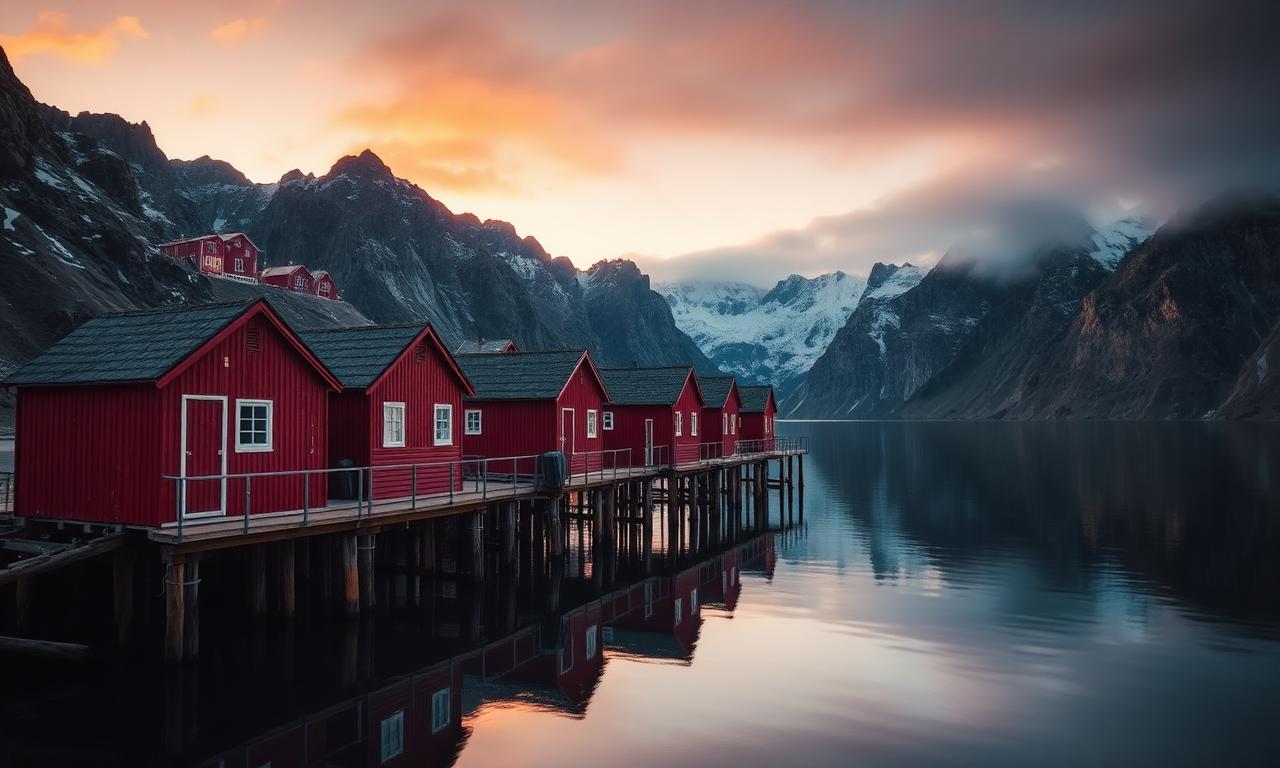
The Lofoten Islands sit above the Arctic Circle, off Norway's northwestern coast, and for about ten weeks every summer they become one of the most spectacular places I've ever set foot in. Sharp granite peaks rise straight out of the sea. Tiny fishing villages of cherry-red wooden cabins cling to the edges of fjords. And from late May to mid-July, the sun never actually sets — it skims the horizon at midnight and arcs back up again.
I spent ten days driving the E10 highway from Svolvær down to Å with my partner last June, with a small 2WD rental and no fixed plan beyond a list of cabins I'd booked in advance. The following is what I'd tell a friend who wanted to do the same trip without rushing it.
§Why Ten Days Is the Right Length
You can technically drive the length of Lofoten in a single long day. People do this on cruise excursions and they leave thinking it was beautiful and that's all. The actual reward of Lofoten — the part that distinguishes it from any other gorgeous coastline — is being there in the strange amber light at one in the morning, watching the tide come in around a cabin you have all to yourself.
Five days is the bare minimum I'd recommend. Seven days is comfortable. Ten days lets you build in two or three rest mornings, do every hike on this list, and not feel like you're racing the next ferry. It also gives you weather buffer — Lofoten gets a lot of rain even in summer, and you'll want the flexibility to swap a hike day with a museum day.
§Where to Stay — The Rorbu System
Traditional Lofoten fishing cabins, called rorbuer, are now the dominant form of tourist accommodation across the islands. They were originally seasonal housing for cod fishermen, built on stilts over the water, and most have been renovated into surprisingly comfortable two- to four-person cabins with full kitchens, hot water, and big windows facing the fjord.
Book them five to six months in advance for summer. Prices run roughly NOK 1,800-2,800 (about $170-260 USD) per cabin per night in peak season. I broke the trip into three bases: two nights in Henningsvær in the east, four nights in Reine in the central south, and three nights in Å at the road's end.
Avoid the temptation to move every night. Lofoten's distances are short on the map but the road is slow, winding, and you'll constantly want to pull over for photos. Two-to-three-night stays let the cabin actually become a home base.
§Three Hikes Worth the Climb
Reinebringen is the famous one. The view from the top, looking back over Reine and the surrounding fjord, is the photo that put Lofoten on Instagram. It's also a relentless 90-minute climb up Sherpa-built stone steps — over 1,500 of them — with no shade and a lot of other hikers in summer. Start at 6 AM if you want the view to yourself.
Ryten is my favorite of the three. A moderate two-hour hike that ends at a clifftop above Kvalvika Beach, with a view that genuinely made me sit down and not say anything for a few minutes. Less crowded than Reinebringen and the trail is more forgiving.
Festvågtind is the shortest but steepest. About an hour up from Henningsvær, and the summit looks down over the village and the open Atlantic. If you only have time for one short hike, this is it.
§The Midnight Sun and How to Use It
If you arrive between late May and mid-July, the sun does not set. This is not a metaphor. It dips toward the horizon around 11 PM, hovers there, and starts climbing again around 1 AM. The light during those hours is the softest, most golden light I've ever seen.
The mistake most visitors make is sticking to a normal sleep schedule. The other mistake is going feral and trying to be awake for all of it. Pick one or two nights of your trip and treat them as 'midnight sun nights.' Nap in the late afternoon, eat a late dinner, and then drive somewhere with a sea view for midnight. Bring a thermos of coffee. You'll remember those nights for the rest of your life.
Bring a sleep mask and pack blackout shades for your cabin windows if you actually want to sleep on the other nights.
§Food and Practical Costs
Norway is expensive. There is no working around this. A sit-down dinner for two with one drink each will reliably cost NOK 900-1,400 ($85-130). Beer is around NOK 110-130 ($10-12) per pint. Groceries are pricey but not crazy — a week of cabin cooking will cost a fraction of eating out.
The food I'd actually recommend splurging on: fresh-caught cod or halibut at one of the harborside restaurants in Henningsvær or Reine; bacalao at a traditional restaurant in Å; and a single visit to a bakery for a skillingsboller, the cardamom-scented Norwegian cinnamon roll.
Budget rough estimate for two people over ten days, excluding flights: about $4,200 USD all-in. Most of that is the cabins and the rental car.
§Practical Notes
Getting there: fly to Oslo, then a short connection to Bodø, then either a 25-minute flight to Svolvær or a stunning 3.5-hour ferry. The ferry is the better choice on a clear day.
Weather: pack for everything from 8°C and rain to 22°C and sun, often in the same day. A waterproof shell and warm midlayer are non-negotiable.
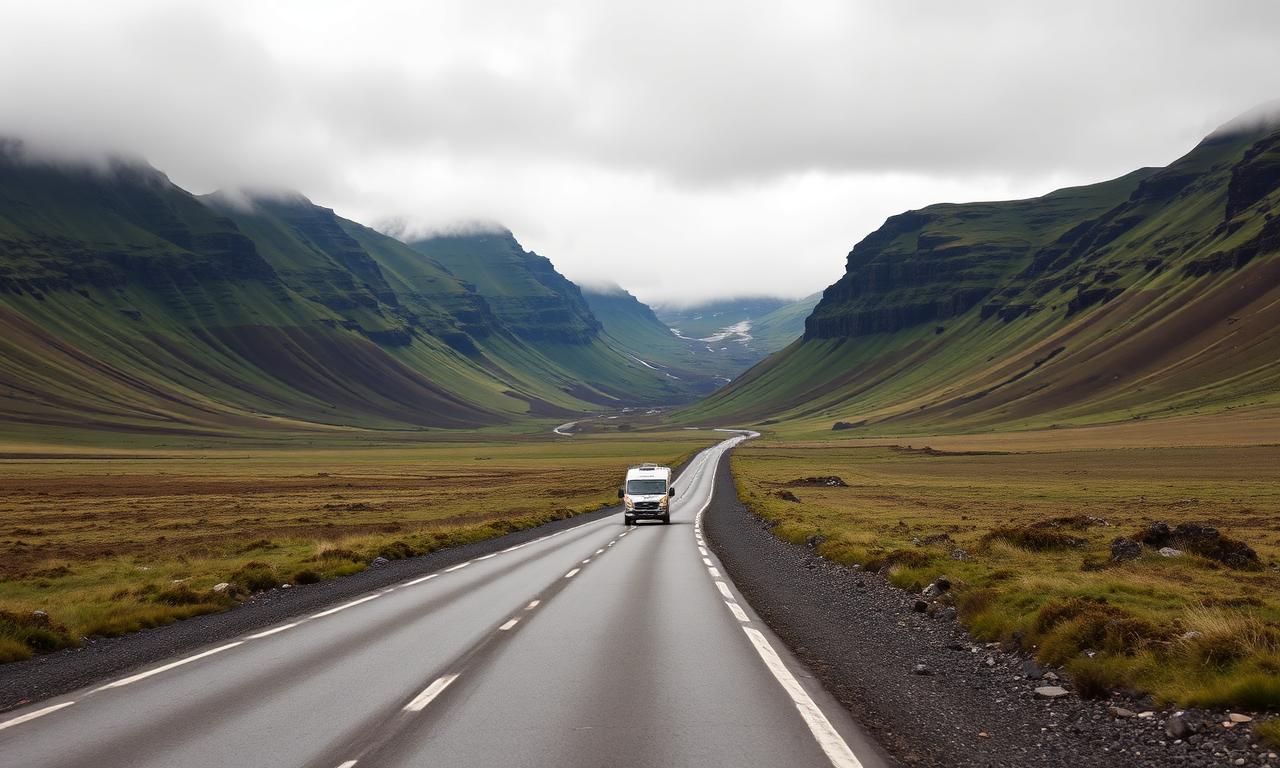
Driving: the E10 is paved, well-maintained, and very narrow in places. Watch for sheep on the road. Gas stations are sparse outside the main towns — fill up when you can.
§Who This Guide Is For
If you've been bookmarking everything about this trip and still feel unsure whether it's right for you, this is the gut-check. "Norway's Lofoten Islands in Summer: Midnight Sun, Fishing Villages and the Hikes That Earn Their Reputation" suits curious travelers who'd rather have one perfect, unhurried day than five rushed ones — and who don't mind trading a little comfort for a real sense of place.
You don't need to be ultra-experienced. You don't need a huge budget. What helps most is a flexible attitude, comfortable shoes, and the willingness to ask a local for a tip instead of trusting the first thing a search result tells you. Almost everything below comes from making the small mistakes first, so you don't have to.
If you're traveling with someone else, share this article ahead of time. The trips that go best are the ones where both people show up with roughly the same expectations — the same pace, the same idea of 'enough,' and a shared sense of what 'a good day' actually looks like.
§When To Go and What To Expect
The single biggest factor in how much you enjoy this trip is timing. Shoulder seasons — broadly late spring and early autumn — give you mild weather, smaller crowds, and noticeably better prices on accommodation. Peak summer can be beautiful, but you'll pay a premium and share every viewpoint with a tour group. Winter has its own quiet magic, but check opening hours carefully because smaller places close.
Weather changes the experience more than people expect. A cloudy morning that would feel gloomy at home can turn a cobblestone street into the most photogenic version of itself. Pack a light layer even when the forecast says you won't need one, and accept that one rainy afternoon doesn't ruin a trip — it slows it down in a way you'll later be grateful for.
Crowd patterns matter too. The classic rule still works: arrive at the famous places before 9 a.m. or after 5 p.m., and spend the middle of the day somewhere that locals actually use. You'll see the same icons everyone else sees, just with breathing room around them. The photos you take at off-hours will also be the ones you actually print.
§What To Pack and Prepare
Travel light. Almost every regret on this kind of trip starts with a suitcase that was too big to carry up one flight of stairs. A 40-litre carry-on, a small day bag, and two pairs of shoes (one of them genuinely broken-in for walking) will cover almost everything you actually need.
Bring layers rather than bulky single pieces — a merino tee, a long-sleeve, a light shell, and one warmer mid-layer adapt to almost any forecast. Add a refillable water bottle, a universal adapter, a basic medicine kit (ibuprofen, electrolytes, blister plasters), and a small power bank for long days out. A laundry-detergent sheet pack weighs nothing and saves a full change of clothes.
On the admin side: download offline maps before you leave, screenshot booking confirmations, store a photo of your passport in a separate place, and tell your bank you're traveling. Set up an eSIM the night before departure so you land with working data — it removes the most stressful 30 minutes of any trip and lets you focus on getting your bearings, not on hunting for Wi-Fi.
§A Realistic Budget Breakdown
Budgets are personal, but rough ranges help you plan. A comfortable mid-range version of this trip usually means a small, well-reviewed hotel or apartment, one nice sit-down meal a day, and a couple of paid activities. Expect somewhere between $130 and $220 per person per day in most regions covered here, with major cities on the higher end and rural areas significantly lower.
Budget travelers can comfortably halve that by mixing hostels or guesthouses, cooking simple breakfasts, using public transport, and choosing free walking tours over paid group tours. Luxury travelers can easily double it without trying. None of these versions is 'better' — they're just different trips, and they all photograph the same.
The categories that quietly drain budgets are airport transfers, mid-trip laundry, baggage fees on cheap flights, and snack-spending at tourist sites. Plan for those four in advance and you'll come home much closer to your target number than most travelers do. A loose 10 percent buffer for the surprises is also healthy.
§Common Mistakes To Avoid
The first mistake is overbooking. A schedule with two highlights per day and an open evening almost always feels better than one with five must-sees and no breathing room. Leave space for the small accidental moments — a bakery you wander into, a park bench you sit on for an hour, a street musician who turns out to be unforgettable — because those are usually what you'll actually remember a year later.
The second is over-relying on the same five viral spots everyone else is photographing. They're popular for a reason, but they're rarely the best version of a place. For each famous site on your list, add one less-obvious alternative recommended by someone who actually lives nearby — a neighborhood bakery, a quieter viewpoint, a smaller museum.
The third is forgetting that travel is physically tiring. Hydrate more than you think you need to, get to bed at a reasonable hour at least every other night, and don't be a hero on day three. The best trips are paced like a steady walk, not a sprint. Even seasoned travelers underestimate how much energy a single day of new sights, new food, and new walking patterns burns.
§Frequently Asked Questions
Is it safe for solo travelers? Generally yes, with the same common-sense precautions you'd take in any unfamiliar city — share your itinerary with someone at home, keep an eye on your bag in crowded transit hubs, and trust your instincts about which streets and bars feel right at night.
Do I need to speak the local language? No, but learning even ten polite phrases — hello, please, thank you, sorry, the bill please — changes how people respond to you, and that changes the trip. A translation app handles the rest, and most younger people in tourism roles speak at least some English.
How far in advance should I book? For accommodation in popular places, six to ten weeks ahead is usually the sweet spot. For flights, set price alerts as soon as your dates are firm. For restaurants worth a detour, book the second your dates are confirmed — the best small places fill up first.
Can I do this with kids? Most of it, yes, with slower mornings and earlier dinners. Cut your planned daily activities in half, build in pool or park time, and let each kid choose one thing each day. You'll all enjoy it more, and the photos will be calmer too.
What about travel insurance? Always worth it for anything more than a short domestic weekend. The cheapest plans cover the big stuff — medical, emergency evacuation, trip cancellation — for the price of a couple of restaurant meals.
§Final Thoughts
The version of this trip you'll remember in five years isn't going to be the one with the most checked boxes. It'll be the morning you got up early for no particular reason, the meal that surprised you, the conversation with a stranger that lasted an hour longer than it should have. Plan enough to feel grounded, and leave enough unplanned to be surprised.
If you take one thing from this guide, take this: trust the slower pace. The travelers who come home glowing aren't the ones who saw more — they're the ones who let themselves sink into wherever they were. Save this page, share it with whoever you're traveling with, and come back to it the week before you go.
Mira Halen
Founder & Lead Writer, Wanderlane
Mira is a slow-travel writer who has spent the last decade splitting her year between long, unhurried trips and a small flat in Lisbon. She writes the kind of guides she wishes existed when she first started traveling — honest, friendly, and detailed enough to actually use on the road.
- 10+ years on the road across 48 countries
- Former editor at two indie travel magazines
- Featured in National Geographic Traveler & Afar